
Juggling and Manipulation
Juggling, Diabolo, Hula Hoops, Devil Sticks, Poi and more
What is Juggling and Manipulation?
There’s something oddly hypnotic about watching someone juggle. Whether it’s three objects or seven, there’s a rhythm – like music you can see. But juggling isn’t just about balls in the air. It’s part of an entire category of circus arts built around movement, flow and coordination… manipulation.
Some props fly. Others spin. A few roll across arms like water. Every piece has its own story, its own learning curve, its own kind of fun.
You might be curious where to start – or just want to make sense of what you’ve seen at a street festival – here’s a breakdown of the most common juggling and manipulation props, each with a flavor of its own.
Juggling Balls – Where Most Stories Begin
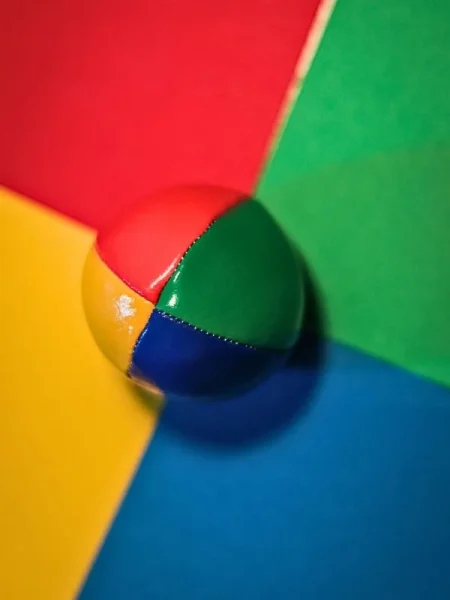
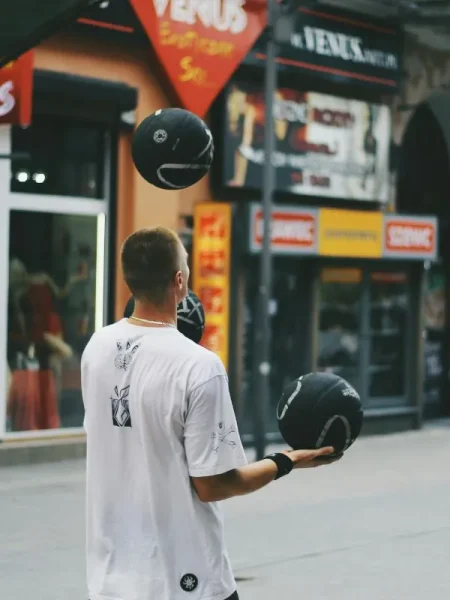
Most people start here. Juggling balls are simple: round, often bean-filled, soft enough to drop without injury and perfect for learning the rhythm of toss-and-catch.
The magic isn’t in the object – it’s in the movement. Start with three balls and a basic cascade pattern and suddenly you’re syncing hand-eye coordination, timing and muscle memory. It’s like meditating with your hands. Check out Juggling Balls 101 to learn how.
Sure, the learning curve includes a fair bit of chasing runaway balls around the room, but that’s part of the charm. The beauty is that juggling balls scale up. Once you’ve got the basics, you can move to four, five, even seven – adding speed, patterns or tricks. You’ll feel silly, then skilled, then addicted.
Juggling Clubs
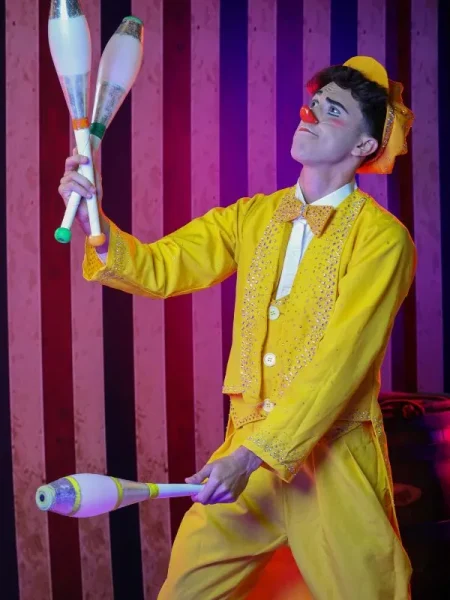
Juggling clubs up the stakes. They’re longer, spin mid-air and add a delightful thwack when caught cleanly. Unlike juggling balls, juggling clubs introduce rotation – and with rotation comes control. Or chaos.
Most juggling clubs are made of plastic with a bit of padding. They’re balanced to spin evenly in the air – one full rotation per throw, give or take. Sounds easy? Try keeping three in motion without getting bonked in the forehead.
There’s a circus heartbeat in club juggling. You can pass them with a partner, add flourishes or build routines where the pattern becomes a dance. In street shows, clubs are crowd-pleasers – big enough to see and dramatic enough to cheer for.
Visit Juggling Clubs 101 to learn more.

Juggling Rings
Juggling rings feel a bit like throwing frisbees – if the frisbees came back. Flat, lightweight and stiff, they spin through the air with a satisfying glide.
Juggling rings are trickier than they look. The edge can dig into your hand if you’re not careful and the flatness means they love to roll far when dropped. But they’re fantastic for visual juggling – especially in stage shows.
The cool part? Juggling rings stack well. You can juggle six or seven rings high and still keep them visually clean. And when light hits just right, especially under stage lights or outdoor sun? They shimmer like coins.
Contact Juggling
You’ve probably seen it before – someone gliding a glass ball across their arms, shoulders and hands like it’s floating. That’s contact juggling which is a whole different vibe.
Instead of tossing the object, in contact juggling you roll it. The ball (usually acrylic, crystal-clear) stays in constant contact with your body. Your job is to move smoothly around it, making it seem suspended in space.
There’s a strong meditative quality to it – slow, focused and oddly calming. But make no mistake – it’s a serious discipline. One mistimed shift and that beautiful sphere clatters to the floor. (And yes, it can crack. Oops.)
Most people start with a stage ball – a softer, opaque version that’s safer to practice with. Over time, you learn the isolations, the pathways and the glide.
Diabolo – Spin, Toss, Catch, Repeat
Diabolos are like yo-yos on steroids. Picture two cups joined by a spindle, spinning on a string stretched between two sticks. Once spinning, you can launch the diabolo high, flip it, whip it or loop it back around.
The key is momentum. Faster spin = more control. You start with basic tosses, then graduate to grinds, wraps and vertical launches that look impossible.
They make a satisfying whirring sound when spinning fast – like a soft buzz cutting through the air. And watching a diabolo artist nail a high toss and catch? Electric.
It’s a playground of possibilities. Kids love it. Adults get hooked. And once you get into double diabolos? Welcome to circus nerd heaven.
Hula Hoops
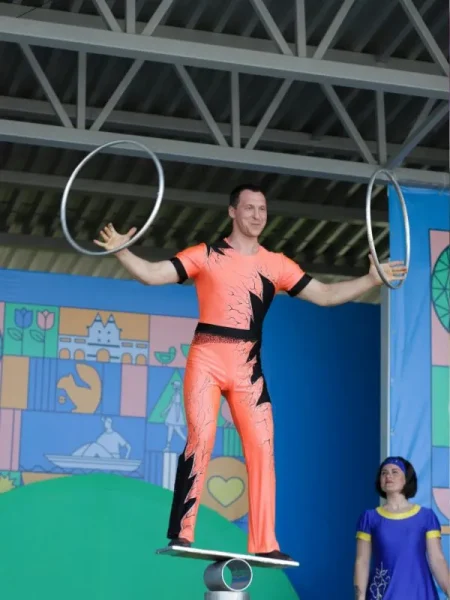
Hula hoops have made a massive comeback, especially in the flow arts community. But circus hooping? That’s a level up.
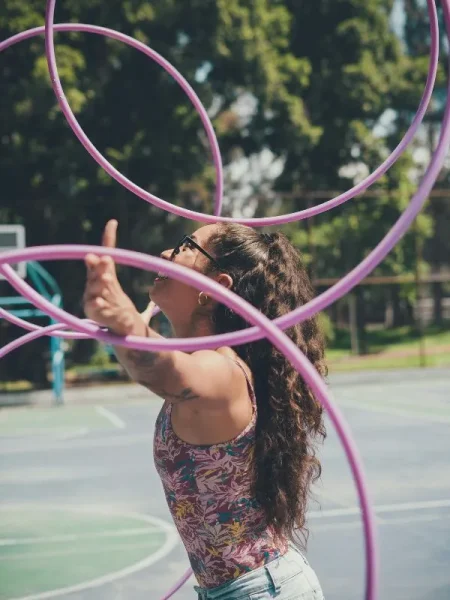
It’s not just about spinning around the waist. Performers move the hoop from foot to hand, arm to neck and in waves that flow up and down the body. They’ll throw and catch, isolate and roll, stack and spin five at once.
Modern hoops are lightweight but sturdy – sometimes wrapped in colorful tape, LED lights or grip textures. There’s artistry in the control of hula hoops and freedom in the rhythm.
Devil Sticks
Don’t let the name scare you – devil sticks are more fun than fierce. It’s a three-stick system: one center stick that you manipulate using two handsticks. The goal? Keep the center one in motion – flipping, spinning, catching – without dropping it.
The basic move? The tick-tock. Then come the helicopters, tosses and behind-the-back transitions. It’s rhythmic and satisfying – like drumming with a twist.
Most devil sticks have rubber ends or slight weightings to help with spin. Some are tapered for speed. Others light up or even fire up – yes, fire devil sticks are a thing.
It’s great for coordination and flow. And once the center stick is dancing between your hands? It feels alive.
Poi – Circles in Motion
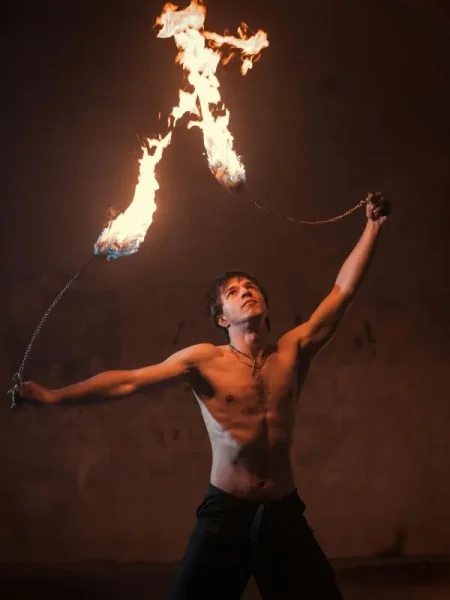
Poi is a form of performance art that originated in Māori culture and now spans from fire spinning to LED flow shows. At its core, poi involves swinging tethered weights (one in each hand) in circular patterns around the body.
It’s both technical and expressive. You learn timing – same time, split time, inward, outward – and soon you’re tracing geometric shapes in the air. Flowers, weaves, butterflies… it’s all part of the poi language.
Modern poi comes in many forms: sock poi, tail poi, contact poi, even LED or fire poi. And yes, you can burn your eyebrows off if you’re careless – but that’s mostly for pros.
For beginners? Sock poi and patience. And maybe a big open field.


Spinning Plates – Simpler Than They Look… Sort Of
Spinning plates look like a party trick. You balance a flat plastic disc on the tip of a flexible stick and keep it spinning. That’s it. Right?
Well, sort of. The trick is getting the plate to spin and stay spinning – without it flying across the room or wobbling wildly.
It’s often used in kids’ circus workshops because it feels achievable and hey – spinning something above your head feels cool. But professionals use it too, adding body rolls, tosses and even juggling into the mix.
It’s low-impact, high-focus fun. And weirdly satisfying when the plate hums just right.
Other Juggling Equipment – The Odds and Ends
Not everything fits neatly in a category. Some performers juggle knives. Others throw rubber chickens, bounce balls off drums or keep feather-light scarves looping mid-air. There are cigar boxes, shaker cups and even paddles.
What do they all share? Rhythm and repetition. Whether it’s balancing a feather or tossing a frying pan, the spirit of juggling is in the movement, not the object.
If you’ve got a favorite object in your house, chances are someone’s already juggled it onstage.
LED Equipment – The Glow-Up
LED juggling props are a modern favorite. Balls, clubs, hoops, poi—they all come in programmable LED versions that light up in stunning patterns. Some sync to music. Others shift color mid-spin.
They’re mesmerizing. Especially in the dark. A well-lit routine looks like a moving painting – arcs of color dancing through space.
They’re great for shows, but also for self-expression. Many flow artists use them in night jams or festivals. And let’s be real – if you’re learning in your backyard, glowing props just make practice more fun.
Clowning – The Art Behind the Laughter
Clowning isn’t a prop, but it’s tied deeply to manipulation. Clowns use juggling, plate-spinning, diabolo and more – not just for skill, but for story.
A dropped ball? Part of the act. A wobble? A laugh. Clowns use physical comedy and character to turn tricks into moments. It’s not about being perfect – it’s about being human, relatable and a little ridiculous.
And that’s what keeps audiences connected. Beneath the red nose and silly shoes? A performer using everything – props, movement, silence – to make people feel something.